
 English
 Türkçe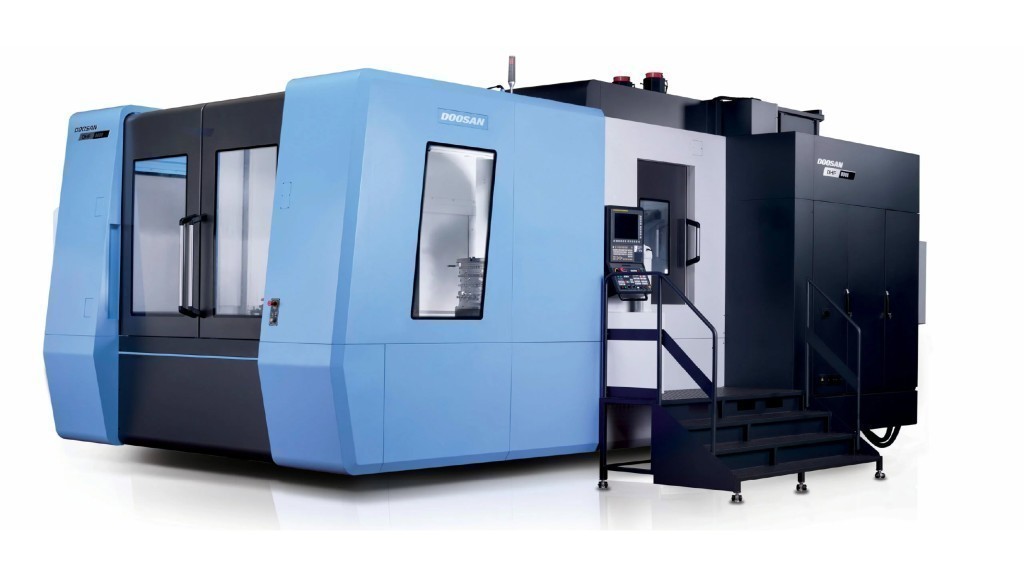
5-Axis CNC
5-Axis CNC Machining: Applications and Advantages
Manufacturing technologies are critical drivers of industrial production efficiency and precision. Among these, 5-axis CNC machining offers a revolutionary solution for producing parts with complex geometries. Compared to traditional 3-axis machines, this method allows simultaneous movement of the cutting tool across five axes (X, Y, Z, and two rotational axes A, B/C), opening up new possibilities in manufacturing.
In this blog post, we will explore what 5-axis CNC machining is, its fundamental operating principles, and the critical advantages it brings to the manufacturing sector. We will also detail its applications in high-engineering industries such as aerospace, defense, automotive, and medical, while highlighting Desman’s expertise in this field.
What is 5-Axis CNC Machining and Why is it Important?
5-axis CNC (Computer Numerical Control) machining is a method where a workpiece or cutting tool moves simultaneously along five axes: three linear (X, Y, Z) and two rotational (A and B/C). This added motion capability allows the tool to approach the workpiece from virtually any angle.
The significance of this technology lies in its ability to produce highly complex parts in a single setup. In traditional methods, machining different surfaces of a complex part requires multiple setups, each introducing potential alignment errors and time loss. 5-axis technology eliminates these setups, reducing production time, increasing precision, and minimizing human error.
Strategic Advantages of 5-Axis CNC Machining
5-axis CNC machining not only enables the production of complex parts but also stands out for its efficiency and quality advantages.
Machining Complex Geometries
The most prominent advantage is the ability to machine complex geometries, such as turbine blades, intricate molds, or organic-shaped medical implants, in a single operation. The tool’s ability to access the workpiece from any angle enables precise creation of undercuts and narrow channels.
Single Setup Production (Done-in-One)
Eliminating the need for multiple setups dramatically reduces setup times and removes positioning errors associated with reclamping. This “done-in-one” principle enhances part accuracy and repeatability to the highest level.
High Precision and Surface Quality
5-axis machining allows the use of shorter, more rigid cutting tools, which produce less vibration even at high cutting speeds. This results in smoother surfaces and extends tool life. Maintaining optimal tool angles further enhances surface quality.
Time and Cost Efficiency
Reduced setup times and faster cutting speeds significantly shorten total production time. Fewer fixtures and tooling requirements lower costs. Completing more operations on a single machine reduces part handling and logistical costs within the workshop.
Applications of 5-Axis CNC Machining
The advantages of this technology make it indispensable for numerous critical industries.
- Aerospace and Defense Industry: Used for producing turbine blades, monolithic structural components, complex engine parts, and landing gear, where aerodynamics and lightweight designs are critical. The near-zero tolerance for errors in these sectors is met with 5-axis precision.
- Automotive Industry: Preferred for high-performance engine blocks, cylinder heads, transmission cases, and complex molds. It also significantly accelerates prototype development processes.
- Medical Device Manufacturing: Plays a critical role in producing custom orthopedic implants, prosthetics, and precision surgical instruments with biocompatible materials and complex geometries.
- Mold and Prototype Production: Used for manufacturing injection molds, casting patterns, and blow molds with complex surfaces, simplifying the machining of deep and angled pockets and reducing mold production time.
Technical Details: How 5-Axis Machines Work
5-axis CNC machines include three linear axes (X, Y, Z) and two rotational axes, which vary depending on the machine’s configuration. The most common configurations are:
- Trunnion Table: The worktable rotates in two axes (A and C) while the spindle moves in three linear axes. This setup is suitable for larger and heavier parts.
- Spindle/Table: The spindle rotates in one axis (B) while the table rotates in another (C).
- Spindle/Spindle: Both rotational movements are performed by the spindle, offering high speed and flexibility for smaller, complex parts.
To ensure precision, these machines use advanced technologies like linear scales, which measure axis positions with micron-level accuracy and provide feedback to the control unit. This closed-loop control system corrects deviations from factors like thermal expansion or mechanical wear, ensuring consistent accuracy from the first part to the last.
5-Axis CNC Machining Solutions with Desman
At Desman, we offer superior precision and efficiency for even the most demanding projects using advanced 5-axis CNC machining centers like the Doosan VCF 850 SR II. Our expert engineers and experienced operators deliver production that meets the high standards of industries such as defense, aerospace, railway systems, and energy.
To leverage the advantages of 5-axis CNC machining for your complex part manufacturing, prototype development, or serial production needs, contact us. Schedule a meeting with our expert team to discuss how we can add value to your projects.
Meta Information
Meta Title: 5-Axis CNC Machining: Applications and Advantages | Desman
Meta Description: Discover what 5-axis CNC machining is, its applications in aerospace and automotive industries, and its advantages in precision and efficiency.

0 Comments