 English
 Türkçe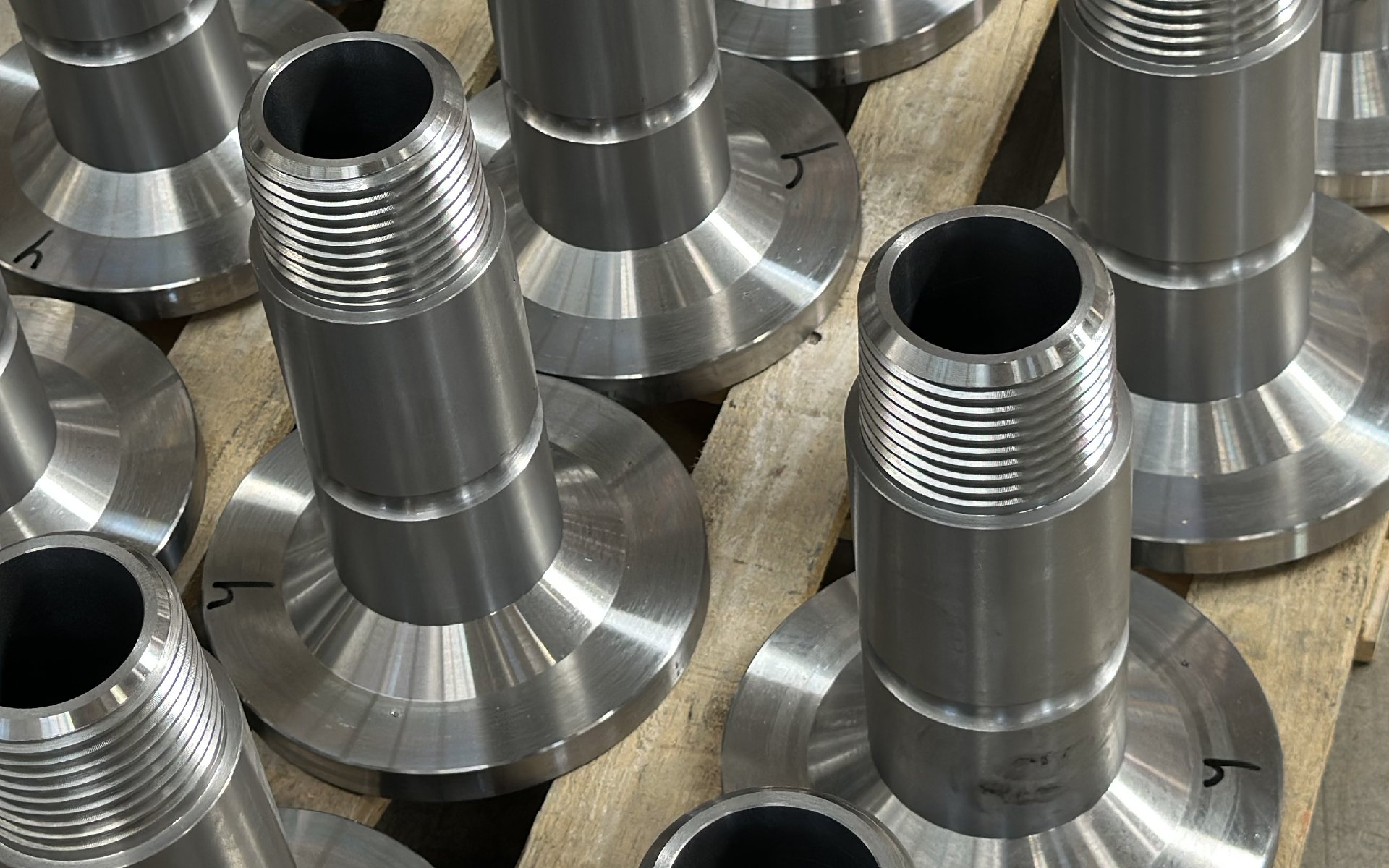
Oil Drilling Spare Part (Kuntatay): Manufacturing Process and Quality Standards
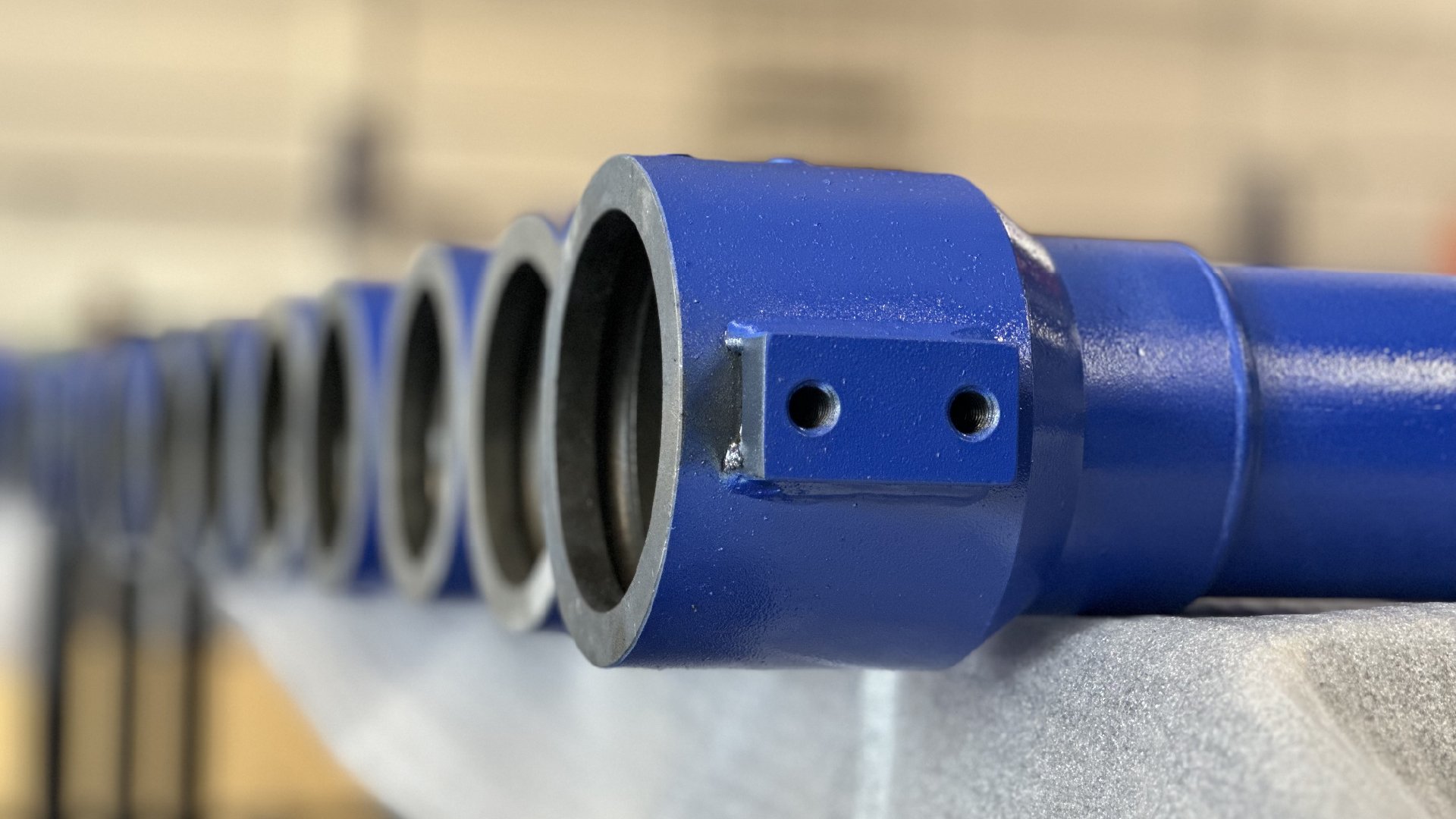
In the oil and gas drilling industry, the methods and quality practices followed during the manufacturing process of equipment are critical to ensuring product reliability and functionality. In this context, the production of the spare part referred to as "Kuntatay" is carried out based on industry standards and customer requirements.
Table of Contents
- Project Planning and Feasibility Analysis
- Mechanical Design: R&D and Engineering Steps
- Raw Material Procurement and Verification
- Machining: Process and Control
- Measurement and Quality Control
- Heat Treatment: Enhancing Mechanical Properties
- Packaging and Shipping
- Testing and Reporting
Project Planning and Feasibility Analysis
Every new project begins with a tailored planning process. The SAP system, used as an enterprise resource planning tool, plays a key role in evaluating project steps and resource availability.
During this phase, technical requirements and available resources are assessed, and a detailed feasibility report is prepared. Based on customer requirements, a production plan and workflow diagram are created. If working from a sample part, the process is managed using a reverse engineering model based on precise CMM measurements.
Mechanical Design: R&D and Engineering Steps
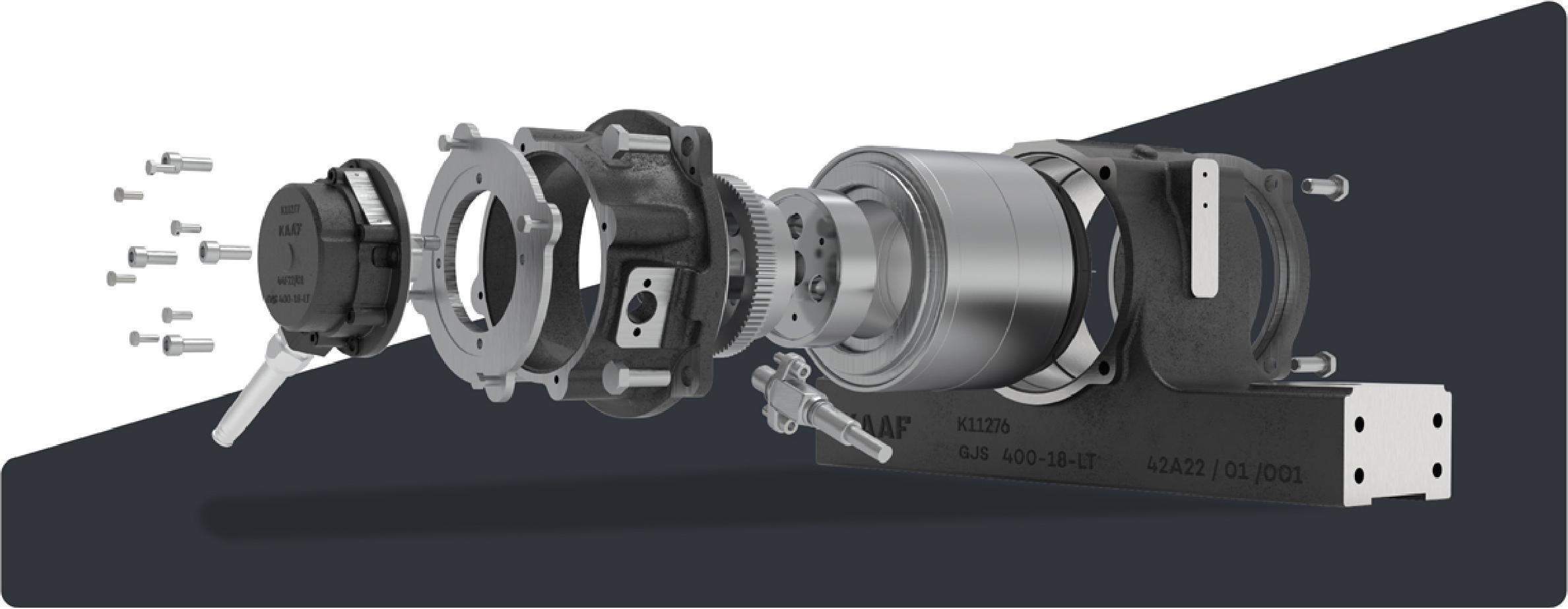
The design process is initiated by technically proficient engineers. Product development and design activities are conducted based on customer specifications and industry requirements. CAD/CAM applications and finite element analysis (FEA) are used to evaluate the part against operational expectations. For reverse engineering, CMM measurement data is used to create a digital model, and production documentation is prepared.
Raw Material Procurement and Verification
Materials such as steel used in production are sourced only from suppliers that meet relevant industry standards and pass audits. Suppliers are expected to hold ISO 9001:2015, ISO 14001:2015, and ISO 45001:2018 certifications. Learn more about the ISO 9001 standard.
Each material batch is verified prior to entering our facility using chemical analysis via spectrometry. The results are checked for compliance with technical specifications.
Machining: Process and Control
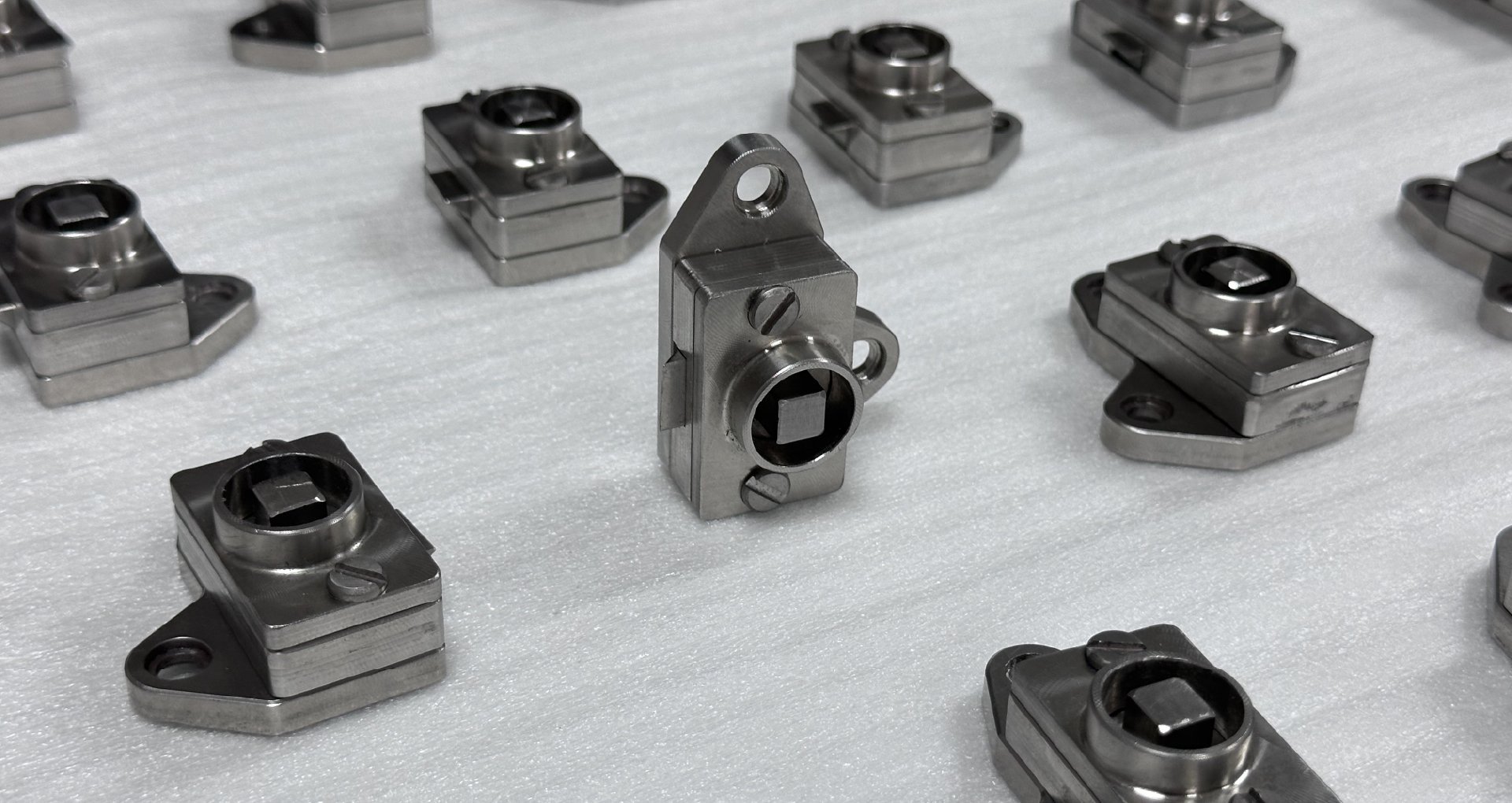
Verified materials proceed to the machining phase per the operation plan. Production equipment is used in conjunction with regular maintenance and calibration practices. Relevant tolerances and measurements are applied by operators in accordance with technical documentation.
Measurement and Quality Control
Manufactured parts are measured in a climate-controlled CMM room using advanced CMM devices. This process enables the acquisition of three-dimensional data for measurements requiring varying tolerances and geometries. Measurement and control reports prepared by the quality team determine the part’s suitability for subsequent stages.
Heat Treatment: Enhancing Mechanical Properties
Completed parts are sent to approved and certified (e.g., CQI-9) heat treatment suppliers to achieve the desired mechanical properties (e.g., hardness, wear resistance). Post-heat treatment controls, including hardness and integrity tests, verify compliance with technical requirements.
Packaging and Shipping
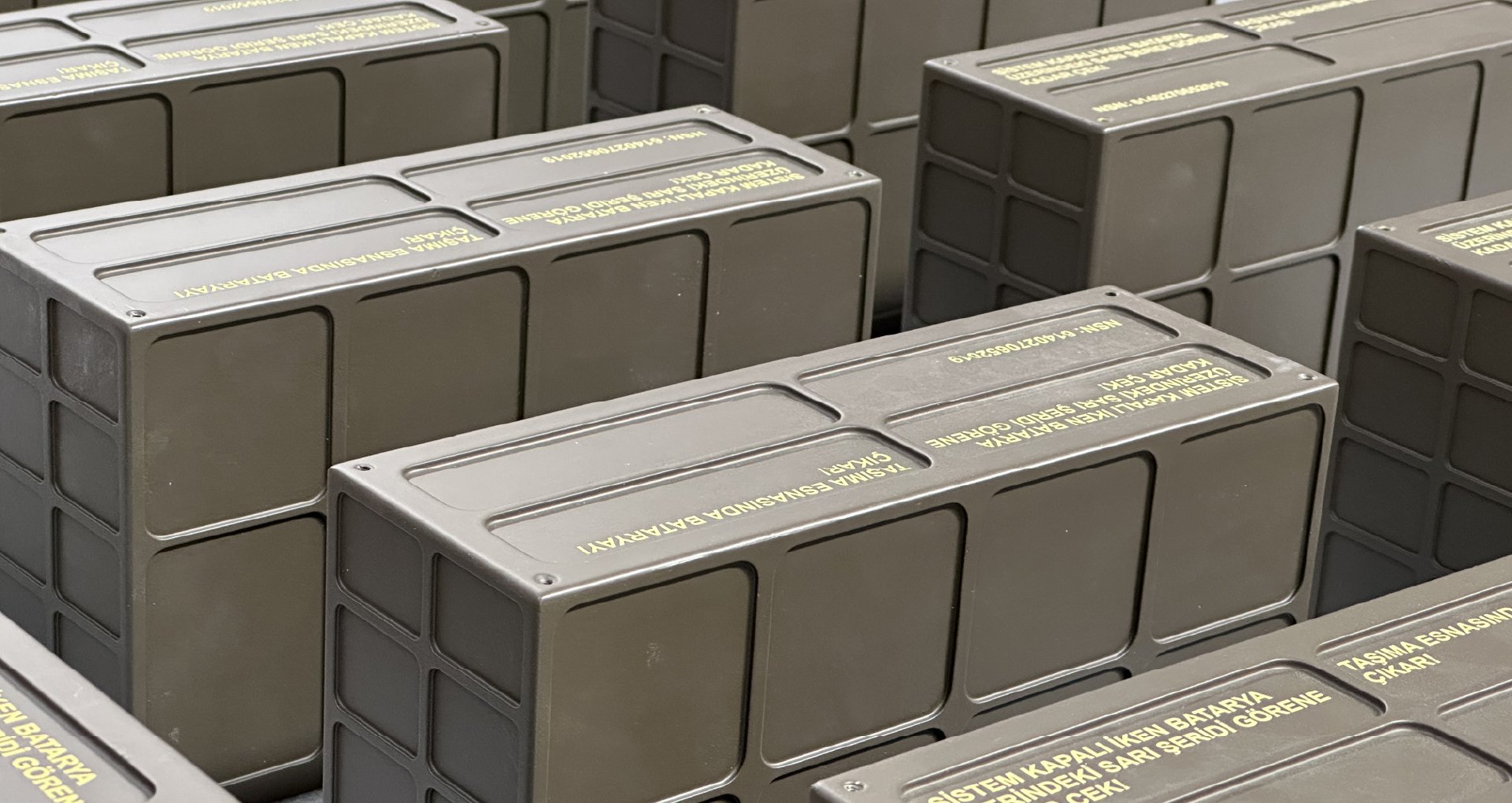
Products that have completed manufacturing and inspection are packaged in accordance with standards. Appropriate protective measures are taken to minimize risks during transportation. The logistics process is managed with trusted partners and tracked until delivery. Post-delivery customer feedback is incorporated into the process.
Testing and Reporting
Measurement reports, material and process certifications (e.g., material and heat treatment certificates, CMM reports) obtained during production and inspection are compiled. All project-related documents and outputs are provided to the customer in a comprehensive report, ensuring traceability.