
 English
 Türkçe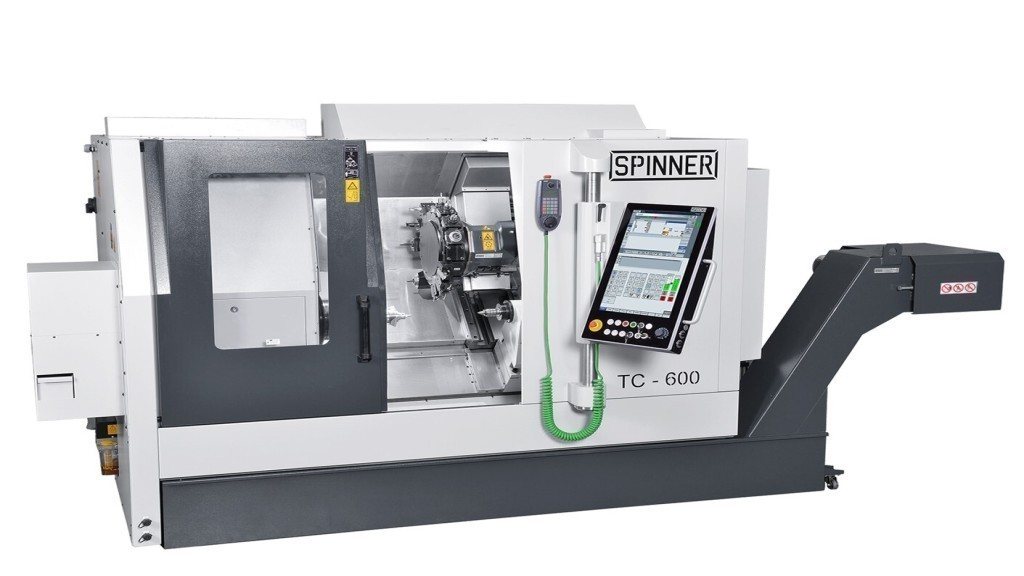
CNC Turning: Applications and Advantages
CNC Lathe: Applications and Advantages
Machining is a cornerstone of modern industry, requiring high precision. Among the technologies used, CNC lathes play a critical role in producing cylindrical and symmetrical parts, offering efficiency, precision, and repeatability. Equipped with computer numerical control (CNC) technology, these machines rotate the workpiece around its axis while cutting tools remove material to create the desired geometry.
In this blog post, we will explore what CNC lathe technology is, its fundamental operating principles, and the strategic advantages it provides to manufacturing processes. We will focus on its applications in high-engineering-standard industries such as automotive, aerospace, medical, and energy, while highlighting Desman’s expertise and solutions in this field.
What is a CNC Lathe and How Does It Work?
A CNC lathe is a machine tool that rotates a workpiece secured in a chuck at high speeds while programmed cutting tools move linearly to remove material. All operations are precisely managed by a computer using pre-programmed G-code, minimizing human intervention and ensuring consistency in production.
The core operating principles include the following steps:
- Design and Programming: The technical drawing of the part is created using CAD (Computer-Aided Design) software. This digital model is then converted into G-code commands for the CNC machine using CAM (Computer-Aided Manufacturing) software.
- Setup: The raw material (typically a bar or disc) is securely clamped in the machine’s chuck. Cutting tools for operations like turning, drilling, or threading are mounted on the turret, and zeroing procedures are performed.
- Machining: The CNC program is loaded and executed. The machine rotates the workpiece and moves the cutting tools along the X (diameter) and Z (length) axes to shape the part to the specified dimensions and form.
- Quality Control: Once machining is complete, the part is inspected using precision measurement devices like CMM to verify compliance with technical drawing tolerances.
Strategic Advantages of CNC Lathe Technology
CNC lathes offer numerous strategic advantages over traditional manual lathes in manufacturing processes.
High Precision and Repeatability
One of the most significant advantages of CNC lathes is their ability to produce parts with micron-level precision. Computer control ensures that every part is manufactured with consistent dimensions and quality, which is critical for industries like aerospace and medical, where tolerances are extremely tight.
Increased Efficiency and Speed
Automatic tool changes, high cutting speeds, and optimized machining cycles enable CNC lathes to significantly reduce production times. Once programmed, these machines operate continuously with minimal supervision, delivering high efficiency in mass production.
Versatility and Flexibility
Modern CNC lathes can perform multiple operations—such as turning, drilling, threading, grooving, and even milling—in a single setup (on models with C and Y axes). This flexibility, combined with the ability to machine various materials (e.g., steel, aluminum, titanium, plastics), makes them versatile production tools.
Cost Efficiency
While the initial investment cost may be high, CNC lathes offer significant long-term cost advantages. They reduce labor costs, minimize material waste, and lower scrap rates. The ability to perform multiple operations on a single machine eliminates the need for additional equipment and setups, further reducing overall operating costs.
Applications of CNC Lathes
The advantages of CNC lathes make them indispensable in numerous critical industries.
- Automotive Industry: Widely used for producing high-volume, precision cylindrical parts such as engine shafts, pistons, transmission components, axles, and fasteners.
- Aerospace and Defense Industry: Preferred for manufacturing critical components like aircraft engine parts, landing gear components, hydraulic system valves, and fasteners made from high-strength alloys.
- Medical Device Manufacturing: Used to produce biocompatible materials like titanium and stainless steel for orthopedic implants, bone screws, prosthetics, and precision surgical instruments, where high surface quality and precision are critical.
- Energy Sector: Utilized in the production of turbine shafts, valve bodies, flanges, and other high-pressure components used in the oil and gas industry.
Technical Specifications and Key Components
The performance of a CNC lathe is determined by its key technical specifications and components:
- Spindle: The main component that rotates the workpiece at high speeds. Spindle power (kW) and maximum speed (rpm) determine the machine’s cutting capacity.
- Chuck: The mechanism that securely holds the workpiece. It can operate with hydraulic or pneumatic systems and is equipped with various jaws to accommodate different part diameters.
- Turret: A rotating system that holds multiple cutting tools and quickly positions the required tool based on program commands.
- Control Unit: Acts as the machine’s brain, processing G-code from CAM software and controlling axis movements, spindle speed, and tool changes.
- Axes: A standard CNC lathe operates on two main axes: X (diameter movement) and Z (longitudinal movement). Advanced models include a C-axis (angular spindle positioning) and Y-axis (tool offset from the centerline), enabling milling and off-axis drilling operations.
Precision CNC Lathe Solutions with Desman
At Desman, we provide solutions for projects requiring precision and high repeatability using our Spinner TC600 CNC lathe. With a chuck diameter of up to 250 mm and a machining length of up to 600 mm, the Spinner TC600 offers effective material removal across a wide range of part sizes. Its high spindle power and maximum speed of 4,000 rpm enable reliable production within tight tolerances for materials ranging from alloy steel to stainless steel. Additionally, the optional C-axis and multi-tool turret capacity allow for complex operations such as milling, grooving, and threading in a single setup.
With our experienced team of engineers and operators, we combine the advanced automation and dimensional accuracy of the Spinner TC600 with maximum efficiency for applications in defense, aerospace, energy, general machinery, and automotive industries. Contact us for high-precision CNC lathe solutions. Our expert team is ready to provide the most suitable solutions for your manufacturing needs.

0 Comments